Verb Conjugation
Favorite Languages


More Languages


Verb Conjugation in Ancient Languages

Verb Conjugation in Minority Languages


Noun Declension
Other Language Information
Featured Language: Bubi
Introduction.
Read more about Bubi at docs.verbix.com.
Tagged Books & Texts
Featured Text: Rimpisuon usvapatsas
A book by Alfred Emil Ingman. Finnish: I.. . Olin jo täyttänyt kahdennentoista ikävuoteni, kun minut eräänä syyskuun päivänä vietiin kansakouluun. Nainen, joka minut toi kouluun, oli holhoojani vaimo, kunnollinen ja kyvykäs, mutta ankaranpuoleinen ihminen. Opettajan kirjoitettua nimeni paperiinsa poistui saattajani heti..
Tagged Paralleltexts
Featured Text: Uncle Tom’s Cabin
A book by Harriet Beecher Stowe. English: VOLUME I. CHAPTER I In Which the Reader Is Introduced to a Man of Humanity.
  French: CHAPITRE PREMIER.. Où le lecteur fait connaissance avec un homme vraiment humain..
Verb Cognates
Cognates are words that have a common etymological origin.
Language Maps
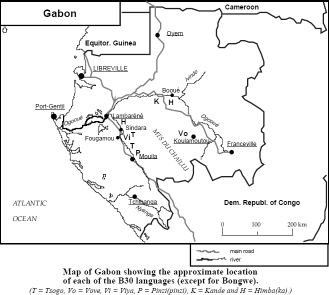
Find language related maps here!
About Verbix
Verbix is an independent non-profit organization that aims to promote and protect linguistic diversity. This site and the Verbix for Windows software support verb conjugation in hundreds of languages, ranging from national and international languages to regional and even extinct languages.
If you find any of the services useful or want to contribute to the promotion of the linguistic diversity feel free to support us! Support Verbix
About Verb Conjugation
Verb conjugation is the creation of derived forms of a verb from its principal parts by inflection. Principal parts is sometimes the infinitive like "cantar" in Spanish, but it can also be verb theme like "skriva - skrev -skrivit" in Swedish. Read more...